Tooth Extraction
Your Comfort Comes First

In some cases, the only option for protecting your oral health is to extract a tooth. Our team is here to provide the gentle care you need.

Gentle Extractions in Winston-Salem
Our Gentle Extractions Put Your Needs First
Get Checked Out

Tooth Extractions in Winston-Salem, NC

Patient using ice pack after tooth extraction in Winston-Salem

At the Winston Salem practice of Pryor Dental, our main priority is to keep all your natural teeth for as long as possible. Through preventive and general dental care along with diligent at-home oral routines like brushing and flossing, we can prevent many common issues that lead to tooth decay or infection.

At Pryor Dental, we offer preventive services that allow you to enjoy smile health and dental restorations that strengthen and protect damaged teeth. Our goal is to do everything possible to preserve a problematic tooth; however, in some cases, extraction of the tooth may be necessary.

If Dr. Pryor has recommended a tooth extraction, it is because preserving the tooth is no longer the healthiest option for your smile. Our team works hard to ensure your experience is completely safe, comfortable, and stress-free. Should you need a tooth removed, we also offer advanced tooth replacement options to seamlessly restore your smile's function and appearance.

Why We Recommend Tooth Extraction

Dr. Pryor may recommend tooth extraction as the healthiest option in several cases. For instance, extracting a tooth because of large cavities, severe gum disease, or when salvage is not feasible. We may also pull a tooth because it's not ideally positioned, as in the case of wisdom teeth, or to ready you for orthodontics or dentures.

Common reasons for a dental extraction include:

  • Severe Decay or Infection: When a cavity or root canal infection has progressed too far to be saved by a filling or crown.
  • Advanced Periodontal (Gum) Disease: When bone loss leaves the tooth without proper support.
  • Physical Trauma: Teeth that have fractured severely at or below the gum line due to an injury.
  • Impacted or Problematic Wisdom Teeth: Third molars that lack the room to erupt properly.
  • Orthodontic Preparation: Removing teeth to resolve severe overcrowding and align your smile.

Facing tooth extraction can be challenging. But with an experienced Winston-Salem dentist like Dr. Pryor and the attention of a caring dental team of professionals, tooth extraction is not stressful or complicated.

There are two types of dental extractions:

Simple extraction—Dr. Pryor performs this extraction by using an instrument to loosen and extract the tooth. Most of these can be done using a local anesthetic. If you are feeling anxious before the procedure, let our Winston Salem dental staff know. We are happy to administer nitrous oxide to keep patients relaxed and stress-free.

Surgical extraction—This routine procedure is utilized if a tooth has fractured below the gumline or remains impacted beneath the gums. Dr. Pryor will create a small incision to safely remove the tooth. To ensure your comfort, we utilize local anesthetics and offer supplemental sedation options to keep you completely relaxed.

During your dental check-up and examination with Dr. Pryor, we will examine your general health and underlying illnesses or health concerns along with your current oral state. This appointment is a great time to ask any questions you may have to learn more about this process. Patient education is extremely important to us; we will always take the time to answer any of your questions and concerns. 
When Your Dentist Can't Save Damaged Teeth

It can be daunting to hear that a tooth is so damaged or decayed that restoration is not an option. But don't worry! Your Winston-Salem dentist is pleased to offer a full range of tooth replacement options.

Dental Bridges

Typically, a dental bridge replaces one to two missing teeth in succession. It is a custom prosthetic connected to healthy teeth via dental crowns. This fixed solution is ideal for patients looking for added stability.

Dental Implants

A dental implant is a full-anatomy replacement from root to crown. This option is stable and lasting and is considered the gold standard. It is ideal for patients who want to preserve their jawbone.

Dentures and Partials

These tried and true custom prosthetics work for complete or partial tooth loss. They can be removable or implant-supported. Dentures are ideal for patients with substantial or complete tooth loss.

Frequently Asked Questions

Different types of anesthesia and sedation can be used to help keep patients comfortable during a tooth extraction. The appropriate option depends on factors such as the complexity of the extraction, the patient's medical history, anxiety level, and individual needs.

Local anesthesia is commonly used for simple tooth extractions. A local anesthetic, such as lidocaine, is administered near the tooth to numb the treatment area. The patient remains awake during the procedure and should not feel pain, although some pressure or movement may still be noticeable.

Before treatment, your dentist may perform a dental exam and use digital X-rays to evaluate the tooth, its roots, and the surrounding bone. In some situations, root canal treatment may be considered if the natural tooth can still be preserved.

Sedation may also be recommended for patients who are anxious about treatment or for more involved procedures. Sedation can range from minimal sedation, in which the patient remains awake and relaxed, to deeper levels of sedation. Depending on the situation, sedation medications may be administered orally or intravenously. Local anesthesia is generally still used to numb the treatment area.

General anesthesia may be appropriate in selected cases, particularly for complex surgical extractions or when other clinical circumstances warrant it. General anesthesia causes the patient to become unconscious during the procedure and requires appropriate monitoring by a properly trained and qualified anesthesia provider. Your dentist or oral surgeon will determine which anesthesia option is appropriate based on your procedure and individual health needs.

If a tooth cannot be saved and extraction is necessary, your dentist may also discuss options for replacing the missing tooth. Depending on your needs, these may include dental implants, a dental bridge, or full or partial dentures.

Comfortable, Pain-Free Tooth Extraction in Winston-Salem, NC

If you need a tooth extraction in Winston-Salem, NC, Dr. Peter B. Pryor Jr. and the Pryor Dental team can evaluate your needs, explain your treatment and anesthesia options, and help make your experience as comfortable as possible. Contact Pryor Dental to schedule a consultation.

Tooth extractions are routine procedures in which a damaged tooth is removed from its socket in the jawbone. There are different types of extractions for different situations. Here's a quick overview of the most common:

  • Simple extraction. Performed on visible teeth, typically those with intact crowns that can be accessed with forceps, using local anesthesia.
  • Surgical extraction. Typically, these are more complex, as these involve teeth that may be broken, impacted, or are not fully erupted. Some surgical extractions involve sectioning the tooth and removing it in parts.
  • Impacted tooth extraction. Wisdom teeth often don’t have enough room to emerge properly and become lodged in the jawbone, or impacted, and require surgical extraction.
  • Root tip removal. This type of extraction is called for when a tooth breaks but the roots remain in the jaw. In these cases, a dentist may perform a root tip removal to remove the remnants.

The type of extraction appropriate for a given case is determined by a dentist following a thorough evaluation based on a tooth's condition, location, and other patient-specific factors.

Trustworthy Tooth Extractions in Winston-Salem

If you’re in the Winston-Salem area and looking for a dentist with the experience and expertise to guide you through the entirety of the tooth extraction process, contact dentist Dr. Peter B. Pryor Jr. to schedule a consultation!

After a tooth extraction, it is usually best to wait until your dentist says it is safe to eat and until enough numbness has worn off to avoid accidentally biting your cheek, lip, or tongue. You can generally sip water carefully after the procedure, but avoid using a straw because suction can disturb the blood clot forming over the extraction site.

For the first 24 hours, choose soft, cool or lukewarm foods that require very little chewing. Good options include:

  • Yogurt
  • Applesauce
  • Scrambled eggs
  • Mashed potatoes
  • Smoothies eaten with a spoon
  • Oatmeal
  • Soft pasta
  • Lukewarm broth or soup
  • Ice cream

Avoid hot, hard, crunchy, spicy, or sticky foods during the early healing period. Try to chew on the opposite side of your mouth and follow any specific aftercare instructions provided by your dentist.

Recovery can vary depending on whether the extraction was simple or surgical. If you have questions about eating, drinking, pain, swelling, or healing after a tooth extraction, contact Pryor Dental for guidance.

Feel free to contact us at (336) 800-9967.

Wisdom Tooth Extractions

Some patients don’t need to worry about their wisdom teeth coming in if they have space and alignment that supports them. Dr. Pryor can make a comprehensive evaluation to make a proper recommendation about whether you should have your wisdom teeth extracted. If there is not enough room for your wisdom teeth to come through, they can affect neighboring teeth, cause pain, or shift the alignment of your smile.

If you feel pain or discomfort, call us immediately. The wisdom tooth may be impacted or not erupting correctly. In almost all cases, tooth pain indicates a serious dental issue that will not resolve itself when ignored.

Even if there is room for wisdom teeth to reside comfortably, they can be more challenging to clean and keep free of food particles. This can easily lead to tooth decay or gum disease, which means that wisdom teeth need extra attention and care.

Your Oral Needs Come First

Our focus is on building long-term, trusting relationships so we can accommodate your goals. If we must extract a tooth, you'll know that you're being cared for by a team you trust. 

Dr. Pryor does not start a treatment or a procedure until he’s sure you understand how the treatment would benefit your long-term oral health. We'll also discuss appropriate tooth replacement solutions with you. We offer several options for restoring the health and appearance of your smile, and Dr. Pryor will take all the time you need to help you decide if dental implants, bridges, or full or partial dentures are the right solution for you.

It’s common to feel anxiety when facing tooth extraction, so please don’t be embarrassed if you need help relaxing! We can talk to you about sedation options like nitrous oxide. After treatment, we'll provide all necessary instructions for home care and healing. 

Meet Our Doctor:

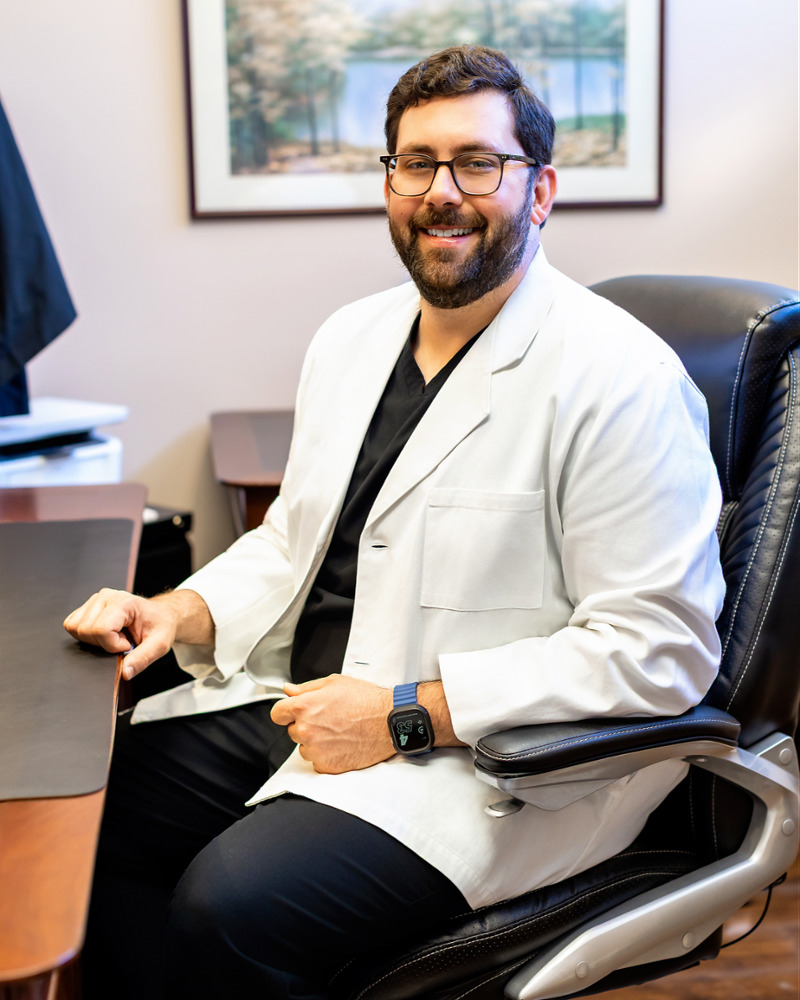
Dr. Peter B. Pryor Jr.

Dr. Peter B. Pryor Jr.

Dr. Peter Pryor Jr. was born and raised on a small farm outside Lexington, Kentucky. He completed his undergraduate degree in Anthropology and Psychology at Wake Forest University. Following his graduation, he briefly resided on St. John in the U.S. Virgin Islands and worked as a dental assistant. This life experience largely contributed to Dr. Pryor's decision to pursue a career in dental medicine. Dr. Pryor graduated from The University of Louisville School of Dentistry, in 2015, and served as an extern within the Seneca Nation Health System, in Irving, …

Your Dental Extraction Surgery After Care

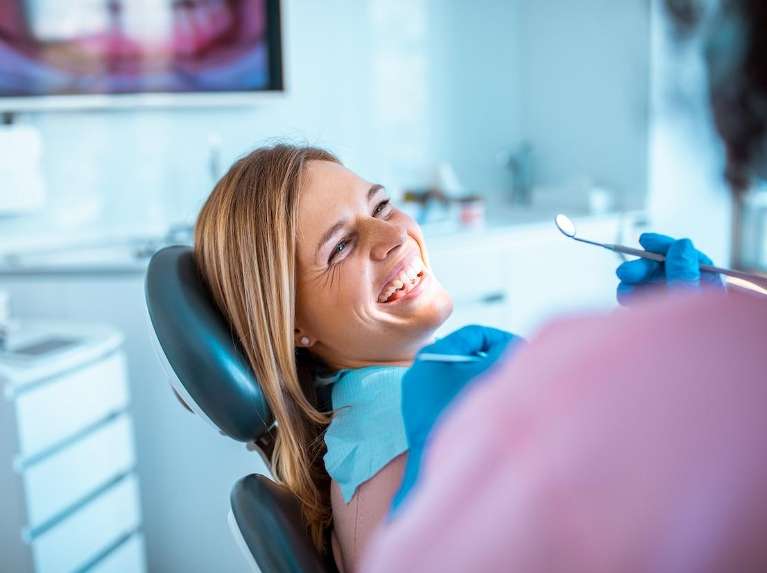
Patient smiling after tooth extraction treatment

From simple tooth extraction to a more complicated surgical procedure, we always schedule follow-up dental appointments to check-in on your oral health, monitor your healing, take out any remaining sutures, and go over your tooth restoration options that are available.

Dr. Pryor will provide personalized, detailed post-operative instructions to support your recovery. To protect the healing blood clot and avoid a painful condition known as dry socket, it is vital to avoid smoking, spitting forcefully, or drinking through a straw for the first few days. We will also guide you on how to keep the surgical site clean to prevent infection.

After your procedure, knowing what to eat after a tooth extraction can help you protect the healing area and make recovery more comfortable.

Please call our Winston Salem dental office a call immediately if you notice any of the following symptoms:

  • Numbness to the tongue, lips, or chin
  • The extraction site is painful—this may indicate dry socket
  • Fever or chills occur
  • The swelling gets worse
  • Trouble swallowing
  • Bleeding that doesn’t clot after the first 24 hours

For tooth replacement options, we provide a vast array of dental treatment options that can restore your beautiful smile. Options include partial or complete dentures, fixed dental bridges, and dental implants.

Schedule a Consultation with Our Winston Salem Team

If you suspect you need a tooth extracted, please don’t delay this necessary dental procedure due to stress. We know that the entire process of dental extraction can be off-putting and scary, but we work very hard to make all our patients feel comfortable and relaxed. Some dental procedures are necessary to protect your oral health and your general well-being, but they don’t have to be terrible.

Contact our Winston Salem, NC dental team, and a knowledgeable staff member will schedule an evaluation with Dr. Pryor. And remember to ask about our Membership Plan and how it can save you money on dental care. We are also happy to work with CareCredit. 

Proudly serving patients throughout North Carolina, including Winston-Salem, Clemmons, Lewisville, and Muddy Creek.

Featured Blog Posts - Tooth Extraction

July 9, 2025

Foods to Eat and Avoid After a Tooth Extraction

patient getting ready for tooth extraction in Winston-Salem, NC

After a tooth extraction, focus on soft foods that require very little chewing, such as yogurt, applesauce, mashed potatoes, scrambled eggs, and lukewarm soup. During the first 24–48 hours, avoid hard, crunchy, sticky, spicy, or very hot foods, and do not drink through a straw.

As the extraction site becomes more comfortable, you can gradually add firmer foods back into your diet. Healing varies from person to person, so always follow the specific post-operative instructions provided by your dentist.

What Can You Eat After a Tooth Extraction?

The best foods …

February 10, 2025

How Tooth Extraction Can Improve Your Oral Health

tooth replacement options in winston salem nc

Tooth extraction can be your introduction to a healthy smile. It can set the stage for replacement teeth and smile restoration, giving you back confidence, aesthetics, and oral function.

Your dentist recommends tooth extraction for various reasons, including:

  • Severe tooth injury and damage
  • Deep decay and crumbling
  • Overcrowded teeth
  • Before dentures or partials
  • Problematic wisdom teeth

Remember, extraction doesn't mean the end of your smile.

About Tooth Extraction in Winston-Salem, NC

Tooth extraction likely seems daunting, especially when you don't know what to expect. Fortunately, you are in excellent hands …

Don't Let Oral Pain Go on Any Longer – We Can Help
Schedule with Us